The office the size of a bedroom
Nicholas Sidwell is the founder and CEO of Ability Innovations, a pediatric physical, occupational and speech therapy practice in Layton and Ogden, Utah.
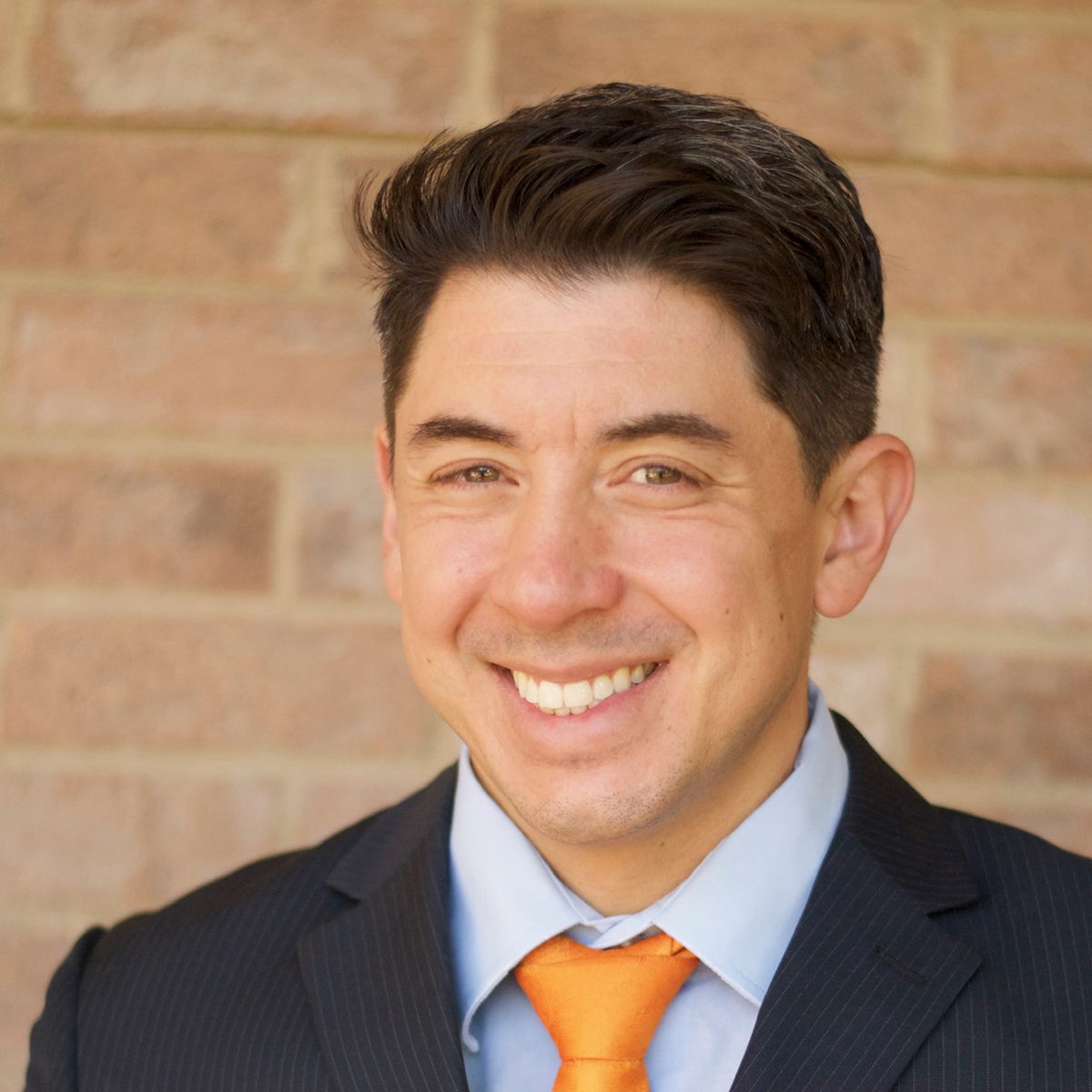
Nicholas Sidwell was an occupational therapist in a school district when he started noticing which families were missing out. “I was disheartened to see so many families that struggled to find therapy services for their children,” he says. For some, school therapy was all they had, because there weren’t enough private services near them.
“I decided to start offering services privately one day.”
What Ability Innovations does
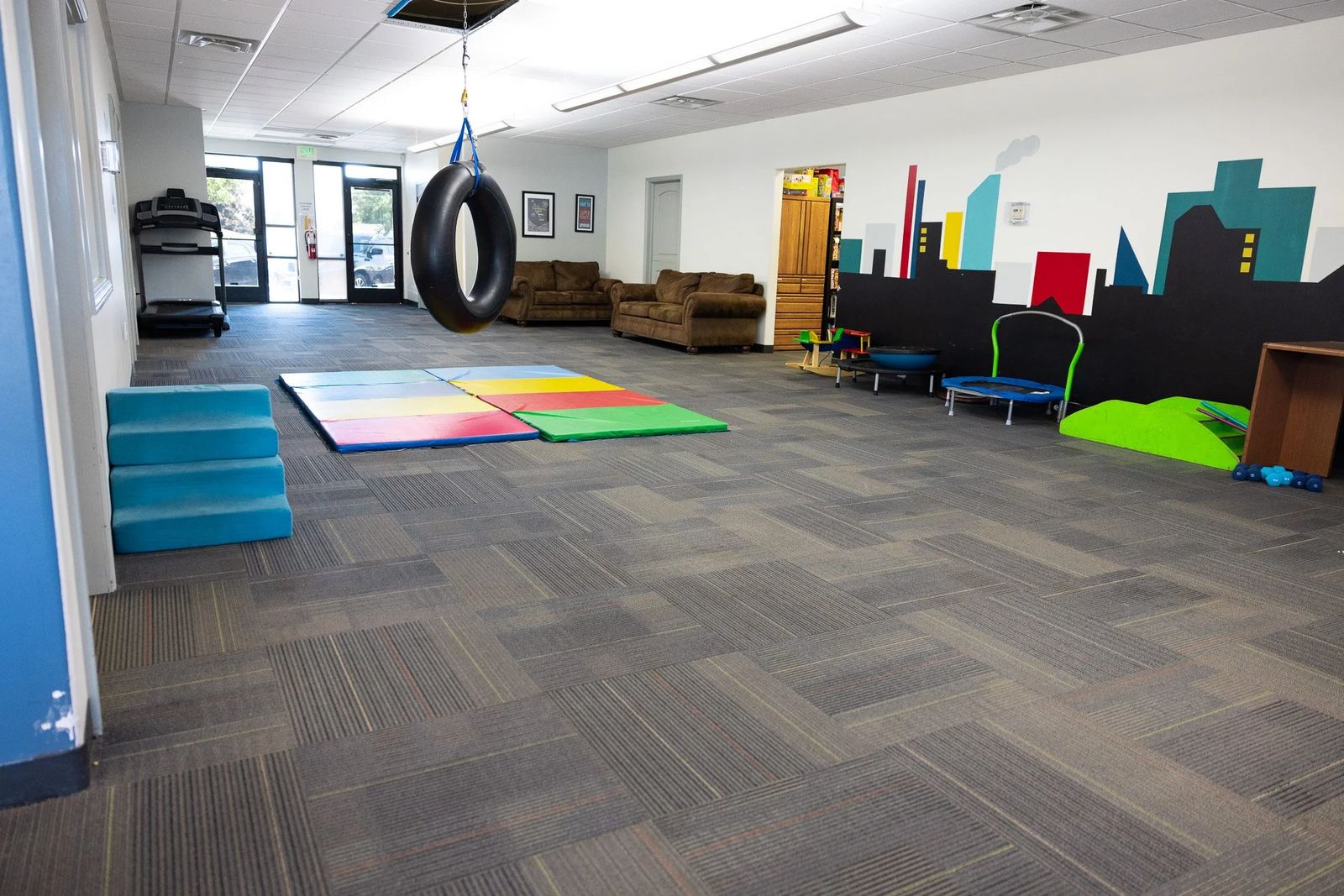
Ability Innovations provides pediatric physical, occupational and speech therapy. It serves children and their families in Layton and Ogden.
Sidwell uses a word most people outside his field don’t. “The term for what we do is largely ‘habilitation,’” he says. “Most people know what ‘rehabilitation’ is, where someone is re-learning something that they used to be able to do. The children we see are learning it for the first time.”
“The children we see are learning it for the first time.”
Nicholas Sidwell
How it started
It started small. “When I started, it was just me in an office space the size of a bedroom,” he says. He hired a couple more therapists to share the space and kept growing.
Today, he says, “we have over 60 employees, 3 locations, and best of all, over a 1000 families that we serve each week.”
The hard part
Ask Sidwell what has been hardest and he doesn’t talk about the clinical work. He talks about insurance.
“The biggest struggle in my industry is having to work with insurance companies,” he says. “Because these companies are the ones that pay us for services, they dictate how often we see the children, when they pay (sometimes several months after the services have been rendered), and we have to frequently fight them to pay for services that they can deem ‘unnecessary’ at any time and refuse to pay.”
The control goes further than payment. “They dictate what kinds of things we can and can’t do in the therapy sessions, and sometimes they only give the families a month and a half worth of therapy because they don’t understand the concept of habilitation.”
He also points to the money. By his account, “reimbursement rates from insurance companies have steadily declined over the last 50 years and frequently fail to keep pace with inflation and the rising costs of operating a therapy practice.”
Asked what most people get wrong about his industry, he says: “That being a therapist is not enough to start a therapy business. You need other business skills.”
A decision he’s glad he made
Sidwell says he decided at the start that “determination, endurance, and grit” were necessary for any entrepreneur. He also decided to measure the clinic differently from most businesses.
“When starting a therapy clinic, you have to be a little more altruistic, because success is not measured by profit and revenue, but by the amount of families you can serve, and keep serving! I am in it and love being able to work each day in something noble and socially uplifting.”
What he’s building toward
The near-term plan is simple: “Another 1-2 locations across the Wasatch Front.”
The longer one he calls his “big scary dream.” He wants to build “something like a children’s museum that kids of all abilities can use to come to play and do therapy activities, without insurance companies dictating everything.” It would offer options for every type of therapeutic service, as an upsell or a tiered membership.
He is open about what it needs. “I need investors!”
Advice for an owner a few years behind him
“1) Focus on what is really important, 2) be really clear about what you do, why you do it, and where you are going, and lastly 3) get yourself out of the way in order to lead the leaders.”
Durable is Utah’s Business Commons. Nicholas Sidwell is a member of Durable Private.