The customer nine times bigger than the plan
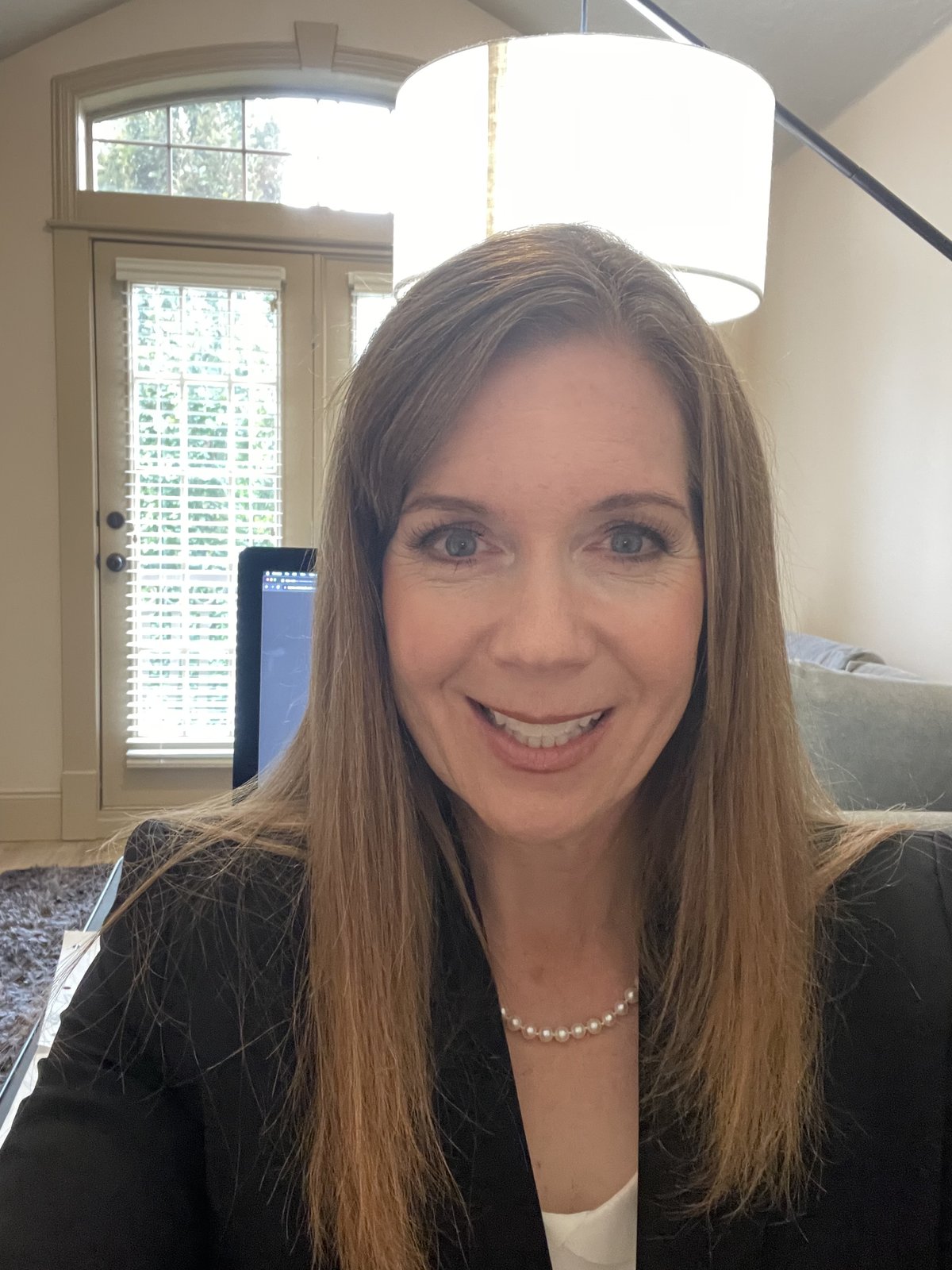
Andrea Stone is the founder and CEO of Ascenta HR, a Provo company building HR software for small and medium size businesses.
Ascenta HR had a plan, and the plan said start small. Andrea Stone and her team designed Ascenta Culture for companies under 100 employees. Ascenta Culture is sold on its own and will also be part of Ascenta HR, the company’s full HCM platform. Then Salesloft came along, a sales technology company Stone describes as having about 880 employees.
“It was a stretch,” she says. “Saying yes meant stepping up to a company nearly nine times the size we had planned for, along with the vendor onboarding and security requirements that come with it.”
They said yes. Salesloft became the company’s design partner. “They do more than use the product. They work alongside us to shape it,” Stone says.
Her lesson from it: “Do not let your plan limit your reach. When the right opportunity is bigger than you expected, rise to meet it.”
What Ascenta HR does
In her words: “We make software that helps small and medium size businesses take care of their people, all in one place: hiring, onboarding, pay, scheduling, benefits, and culture.”
The software also gives employees short daily exercises to build skills, gives their managers coaching, and shows each person how their job connects to the company’s goals, with AI handling the routine work.
It is built for growing companies that want their people to feel valued but do not have a big HR team. Stone puts the goal this way: “My goal is to put trust back into business.”
“Ascenta HR is elevating consciousness at work. When we make the invisible visible, trust follows.”
Andrea Stone
How it started
Stone came to software from a career in HR. “I have been the one processing payroll, the one guiding leaders through hard decisions, and the executive running HR and multi-site operations for healthcare companies growing across several states,” she says. She holds the SHRM-SCP and SHRM AI+HI credentials and serves on the Utah SHRM State Council Board.
Across those roles she kept seeing the same problem. “Companies treated HR as paperwork, while their people were hungry to grow and to feel seen.”
She started building something different in late 2025. Her son Paul, a Cornell engineering graduate, and her son-in-law worked with her on evenings and weekends to create the first proof of concept.
The hard part
“The hardest part has been learning to build a startup while building it,” Stone says. “I spent my career in HR, where I knew the playbook. As a founder, I had to write a new one every day.” She has been the product owner, the recruiter, the saleswoman, the fundraiser, and the person answering emails at midnight.
The team is built on equity. Everyone works for ownership in the company in place of a paycheck. “That is a big ask, and it is a responsibility I take seriously,” she says.
Fundraising has tested her most. Stone points out that women who found companies receive a small share of venture capital, “and you feel that in every pitch.” She has funded the company herself so far. “I have heard more no answers than I can count. There was a point when all those no answers piled up and I questioned how to move forward. I almost gave up.”
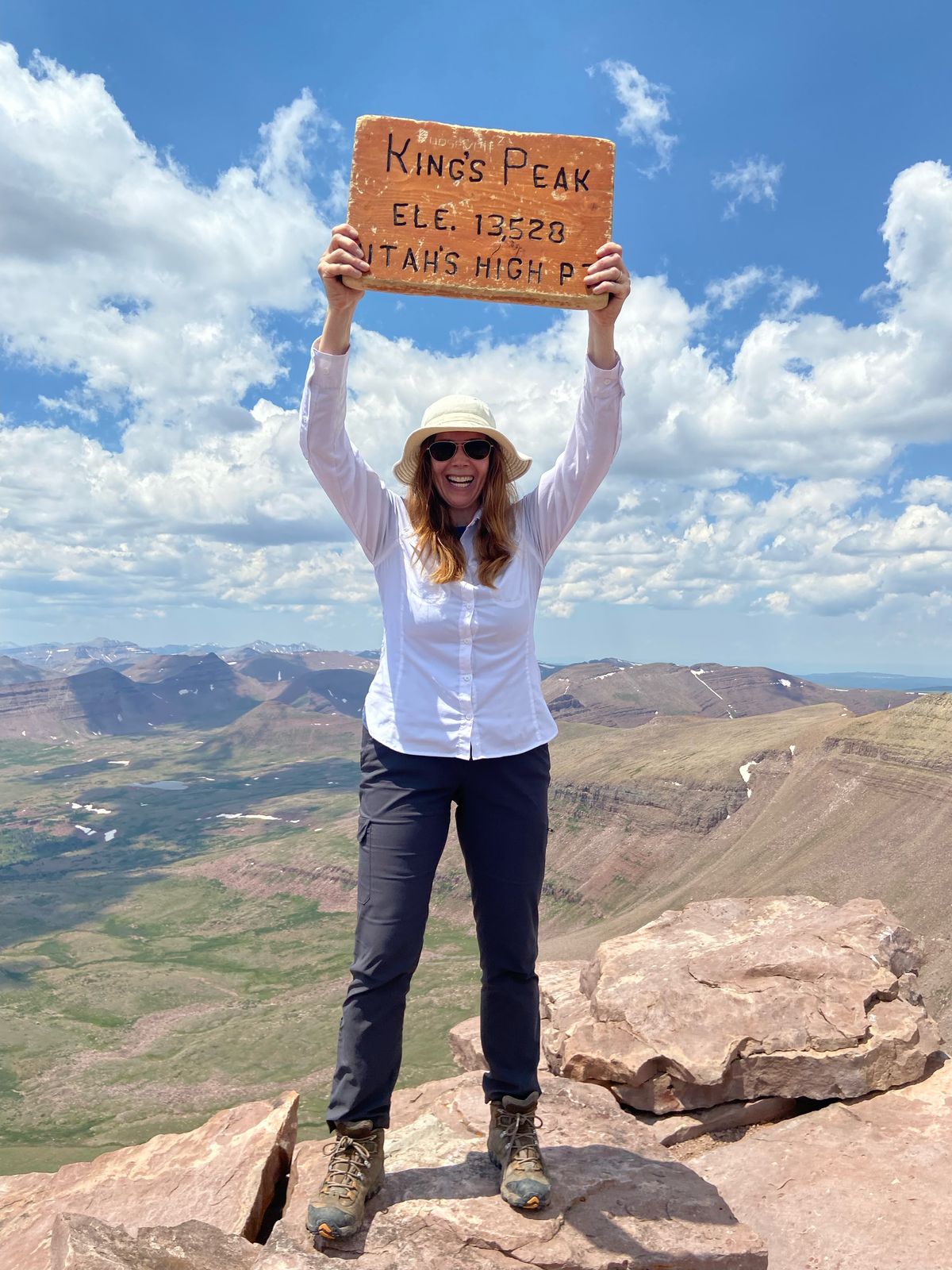
She kept going. She says investors tell her the product is needed and that they want to see more paying customers, so that is where the team is focused. “Every customer we bring on proves the need investors already see.”
She also flew to Switzerland on her own to meet Kari Aina Eik and Alexander Inchbald, the leaders of UNITED. “I did not know exactly what would come of it, but I knew I had to show up.” Out of that trip, she says, Ascenta HR became an initiative of UNITED and gained a global partnership.
Where it comes from, in her telling: “I think raising six children taught me that I can pick myself back up quickly and rise again and again.”
What she’s building toward
Stone says the company went from an idea in late 2025 to a working product in less than a year, and has an advisory board of 10 leaders in SaaS, HR and revenue.
The plan from here, as she lays it out: first pilot companies start on the finished prototype in mid January 2027, bringing hiring, onboarding, pay, time, scheduling, benefits, growth and culture into one platform. She says it will offer international payroll from launch. The goal is 75 companies on the platform by the end of 2027 and more than 200 by mid 2028.
She wants to hear from leaders at growing companies with lean HR teams, from the fractional HR consultants, benefits brokers, CPAs, employment attorneys and coaches who serve them, and from investors. Ascenta HR is online at ascentahr.com, and Stone is on LinkedIn.
Advice for an owner a few years behind her
“Never underestimate the power of your network. Nearly every week, I reach out to someone new, and I always start by asking how I can help them. What surprised me most is how often people offer their help in return.
“And expect to hear no, but keep going anyway. There will be days when you question everything. Pick yourself back up, choose abundance over fear, and remember why you started. Your purpose will carry you through the hard days.”
Durable is Utah’s Business Commons.